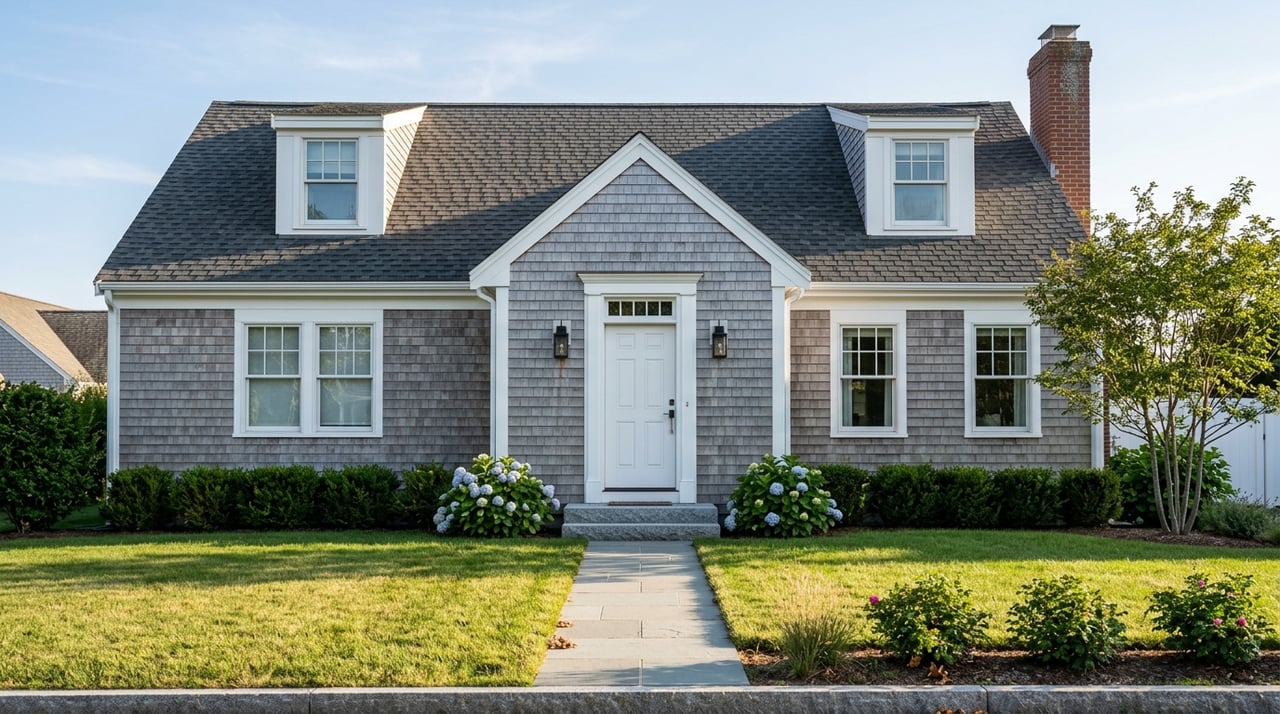
Which Kennebunk Coastal Neighborhood Fits Your Life?
June 18, 2026
June 18, 2026
If you picture Kennebunk as one long beach town, you may miss what makes it so appealing. This stretch of Maine coast is more layered than that, with beachfront pockets, village-style areas, historic in-town streets, and quieter shoreline edges that each offer a different way to live near the water. If you are trying to decide where you might feel most at home, this guide will help you compare Kennebunk’s coastal neighborhoods with more clarity. Let’s dive in.
Kennebunk sits on Maine’s southern coast, about 90 miles north of Boston and 25 miles south of Portland. Its shoreline includes sandy and cobble beaches, rocky outcrops, wetlands, and the mouths of the Mousam and Kennebunk rivers.
That variety shapes how different parts of town feel. It also helps explain why local neighborhood names are often used as familiar clusters rather than strict, official boundaries.
If you want the strongest beach-first lifestyle, this is the part of Kennebunk that most people picture first. The town identifies Gooch’s Beach, Middle Beach, and Mother’s Beach as Kennebunk’s beaches, all along Beach Avenue off Routes 9 and 35.
The three beaches are connected by sidewalks, which makes this area easy to enjoy on foot. In season, beach parking passes are required from June 15 through September 15, and the town also points to trolley use as an alternative to driving.
Mother’s Beach stands out for accessibility features. It includes an ADA-compliant Mobi-Mat and beach wheelchair access, which can matter if mobility-friendly shoreline access is part of your home search.
This area reflects a long coastal history. Town climate materials note that beach neighborhoods include homes dating back to the late 1800s summer-cottage era, mixed with later year-round homes.
Many homes in the beach community are still seasonal. You may also notice elevated homes along Beach Avenue, which reflects the local focus on flood resilience and retrofit work.
Living near the beach comes with some practical routines. Dogs are allowed only before 9 a.m. and after 5 p.m. from June 15 through Labor Day, so pet owners will want to keep seasonal timing in mind.
For many buyers, that is a fair trade for easy beach access and a strong coastal atmosphere. If your ideal day starts with a shoreline walk and ends with ocean air from your porch, this cluster often rises to the top.
Lower Village offers a different kind of coastal living. It is a village-style area just inland from the beach, adjacent to Kennebunkport, and often seen as the gateway to the beaches.
Town materials describe it as a distinct coastal village area with both year-round residents and a strong summer visitor presence. That mix gives it an active, lived-in feel that many buyers find appealing.
For many people, Lower Village is less about direct beachfront living and more about convenience and atmosphere. It offers walkability to restaurants and shops, plus a setting that keeps you close to both the river and the beach corridor.
The area also includes Lower Village Park, which gives the neighborhood a local outdoor anchor. An EV charging station was placed here specifically for walkability to nearby businesses, which says a lot about how this part of town functions day to day.
Lower Village is a mixed-use coastal village rather than a purely residential enclave. Town planning materials describe mixed architecture and a blend of seasonal and year-round residents.
That means buyers here are often choosing a lifestyle first. If you want a home base where you can enjoy village energy and stay close to the coast, this area often checks that box.
If you prefer having options beyond your car, Lower Village is worth a closer look. Town transportation information notes services operating from Lower Village, including KITT and the volunteer FISH driving program.
That extra layer of local circulation can be helpful if you value flexibility in how you move around town. It also supports the area’s reputation as one of Kennebunk’s more connected coastal clusters.
Not every coastal buyer wants to live on the beach corridor. Some want village life, historic character, and easy access to year-round amenities, and that is where Downtown Kennebunk, Upper Square, Summer Street, and Kennebunk Landing come into the picture.
This in-town core carries much of Kennebunk’s traditional New England identity. Town preservation materials place the Historic Preservation Overlay District in the downtown business district and Upper Square, and describe a primarily wood-frame residential fabric that spans early homes through 1950s ranches and bungalows.
If you enjoy architecture, this area offers real range. State preservation materials describe important Summer Street houses from the Federal and Colonial eras, while town design materials also show Shingle Style examples.
In practice, that means you may find everything from high-style historic homes to modest vernacular houses and later infill. It is a broad housing mix that can appeal to both year-round residents and buyers seeking a classic Maine town setting.
Downtown supports daily life in a way that matters to many buyers. The Waterhouse Center hosts year-round events, the Artisans Marketplace operates there on a seasonal Saturday schedule, and the Farmers’ Market is located just off Main Street.
If you want access to community events and town-center convenience, this part of Kennebunk may feel more practical than a direct waterfront address. You still stay close to the coast, but your day-to-day rhythm may feel more rooted in village life.
On Kennebunk’s southern coastal edge, the atmosphere shifts again. This area offers a quieter, more scenic ocean-edge option that feels less like a beach strip and more like a historic shoreline landscape.
Town marine-resources materials describe the land between the Mousam and Kennebunk rivers and Western Avenue as a historic resort corridor. It once included tourist hotels, a rail station, farming, and ornate summer cottages.
That history still shapes the feel of the area today. Homes here can read as more private, more scenic, and more closely tied to Kennebunk’s resort-era past than what you find in the downtown core.
Parsons Beach is part of that identity as well. It is privately owned, but public access is allowed through the family association that owns it.
If you are drawn to a quieter setting with ocean-edge scenery, this cluster may be a strong fit. The town’s open-space plan also identifies the Brown Street, Parson’s Beach, and Route 9 corridor as a visual-corridor priority, which reflects the value placed on its natural and scenic character.
For some buyers, that sense of space and coastal calm is the main attraction. You may trade some village convenience for a more tucked-away shoreline experience.
Some buyers want to stay close to the water without being directly on the beach corridor. In Kennebunk, near-coast pockets such as River Locks, Hussey Drive, Sea River Oaks, and Bufflehead Cove Road can offer that middle ground.
These areas appear in the town’s climate planning as coastal neighborhoods under review. They are useful to think about if you want a water-adjacent setting with a different feel from Beach Avenue or the southern shoreline.
Town climate planning notes that most coastal neighborhoods have public water and sewer, but some exceptions remain. That makes street-by-street review especially important in these smaller pockets.
For buyers comparing homes, utility and infrastructure details can matter just as much as the view. This is one reason a local, highly specific neighborhood read is so valuable in Kennebunk.
Wherever you focus your search, it helps to understand that coastal resilience is part of the local picture. Town storm-recovery notices from January 2024 reported significant coastal flooding and damage to Beach Avenue, Great Hill Road, and Boothby Avenue.
The town’s sea-level-rise planning also frames coastal flooding as an ongoing issue for Southern Maine communities. For you as a buyer or homeowner, that does not mean ruling out coastal property. It means asking smart questions about elevation, access, resilience work, and long-term maintenance.
The best neighborhood often comes down to how you want your days to feel. Kennebunk’s coastal areas each support a different version of Maine living, and the right fit is usually about lifestyle as much as location.
Here is a simple way to think about the main clusters:
A thoughtful neighborhood search can save you time and help you focus on the parts of Kennebunk that truly match your goals. If you are weighing a second home, a year-round move, or a property that may also play a role in your vacation rental plans, local guidance can make those choices much easier.
If you would like help comparing Kennebunk’s coastal neighborhoods in a more personal, property-specific way, connect with Betsy Coughlan. She offers a polished, high-touch approach grounded in local knowledge, thoughtful guidance, and a clear understanding of how lifestyle and real estate value meet on Maine’s southern coast.
Stay up to date on the latest real estate trends.




Experience a real estate partnership built on professionalism, clarity, and elevated service. With a refined, globally informed approach and deep local understanding, you’ll receive thoughtful guidance, seamless communication, and support tailored to your goals.